How we make our books
We use AI to make our books, and we think how we do it is worth showing. Here's how Into the Blockwild went from an idea to a printed book, step by step, with who did what at each stage.
The rules of the world
Before any story, there's a series bible. It says who the reader is, how the Hub works, who Tooltip is and what the Wipe Crew want. Most of all, it lists the rules the books never break. Claude helped draft it, and we kept rewriting it until every rule was one we'd stand behind.
From the series bible · rules the series never breaks
- The reader is "you".
- Nobody dies.
- Worlds follow their own rules, and the rules are fair.
- Endings are never random.
- No real games, brands or characters.
The map comes first
Then the map. Each book has three routes through its world, a couple of places where they cross, and more than 20 endings. Book 1's map has 20 story beats joined by 49 choices. Nobody writes a page of story until the map works.
This is the real one. Tap any beat or ending to see what happens there.
Start at the left
The library door is on the far left. Every line is a choice, and every coloured box is a scene. The coloured dots are endings.
Tap a beat · scroll sideways on a phone
The first draft
Claude writes a first draft of every section from the map, in ink, a free scripting language made for branching stories. Lines starting with a star are choices, and the arrow says where each choice goes. The heart rules are written in too.
Then the author reads every section, rewrites it and changes whatever doesn't sound right. This is section 10 of Book 1 as it sits in the manuscript.
=== a3_build_fast ===
# beat: A3
# title: Build Fast
~ hearts = hearts - 1
{hearts <= 0: -> out_of_hearts}
There's no time to plan. A pillar is falling somewhere every few minutes. You grab a block and jam it into the hole.
Then another. Then another. You stack them as fast as your arms will go, gray on brown on green, and the hole gets smaller and smaller.
…
Mason watches with his arms folded. "The builders built fast too," he says. "That is why the castle is in pieces."
You've got two choices. You can keep going and hope speed wins. Or you can stop, take a breath and fix what's already there.
* [Keep going, even faster] -> f4_built_too_fast
* [Stop and shore up the wall] -> a3_shore_it_up
Section 10, “Build Fast”. You'll see it again in step 9, printed.
Checking every path
A book like this is easy to break. One wrong number and a reader is stuck, or an ending can never be reached. So a program we wrote reads the manuscript and walks every possible path through it, every time anything changes.
It also numbers the sections and shuffles them, so you can't flip to the end and find the best ending.
Endings that count
Every ending comes from a choice you could have made differently. Nothing is random. Book 1 has 3 best endings, 7 good ones, 9 where you get Wiped back to the Hub, a hidden one and a secret one.
The secret ending gives you a codeword. Write it down: it opens a door in the next book.
The 21 endings of Into the Blockwild
Meeting the cast
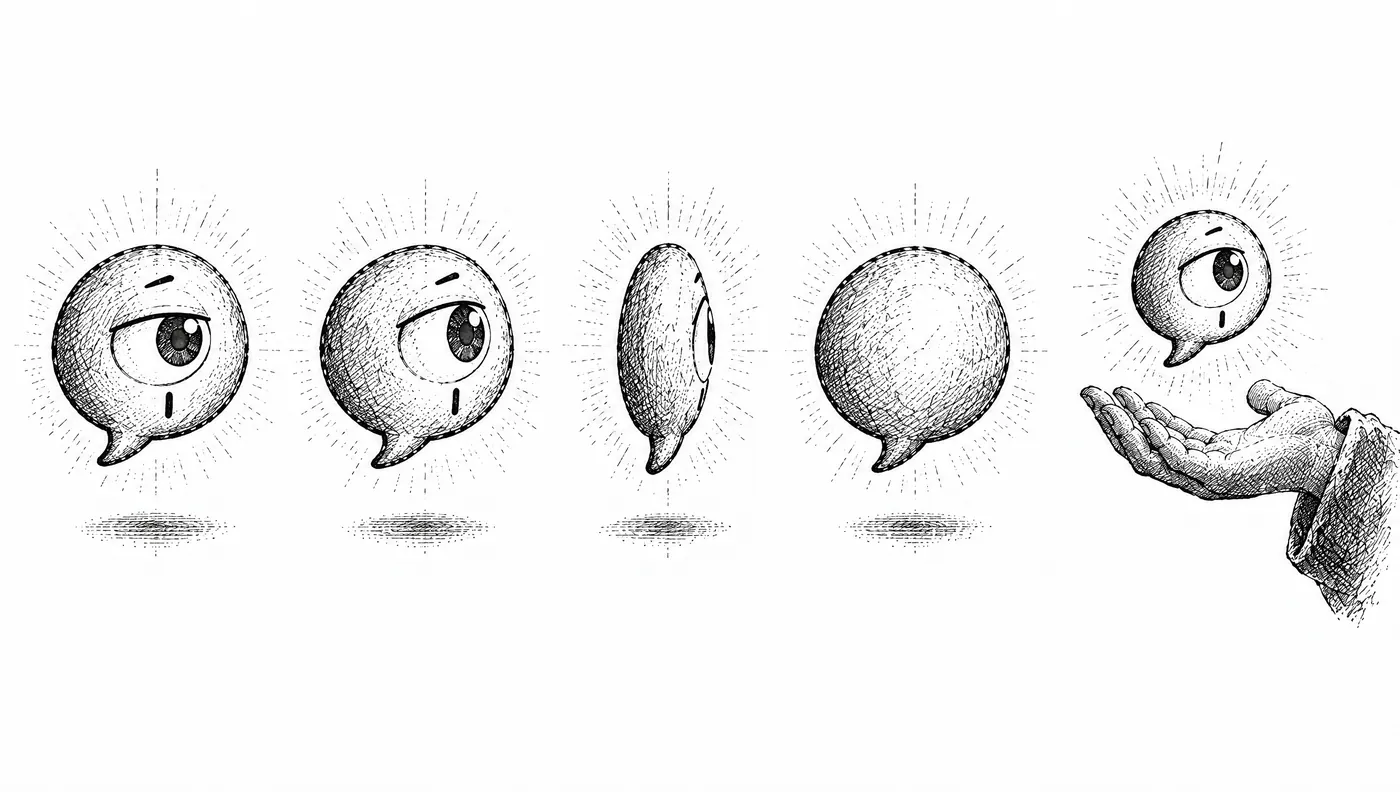
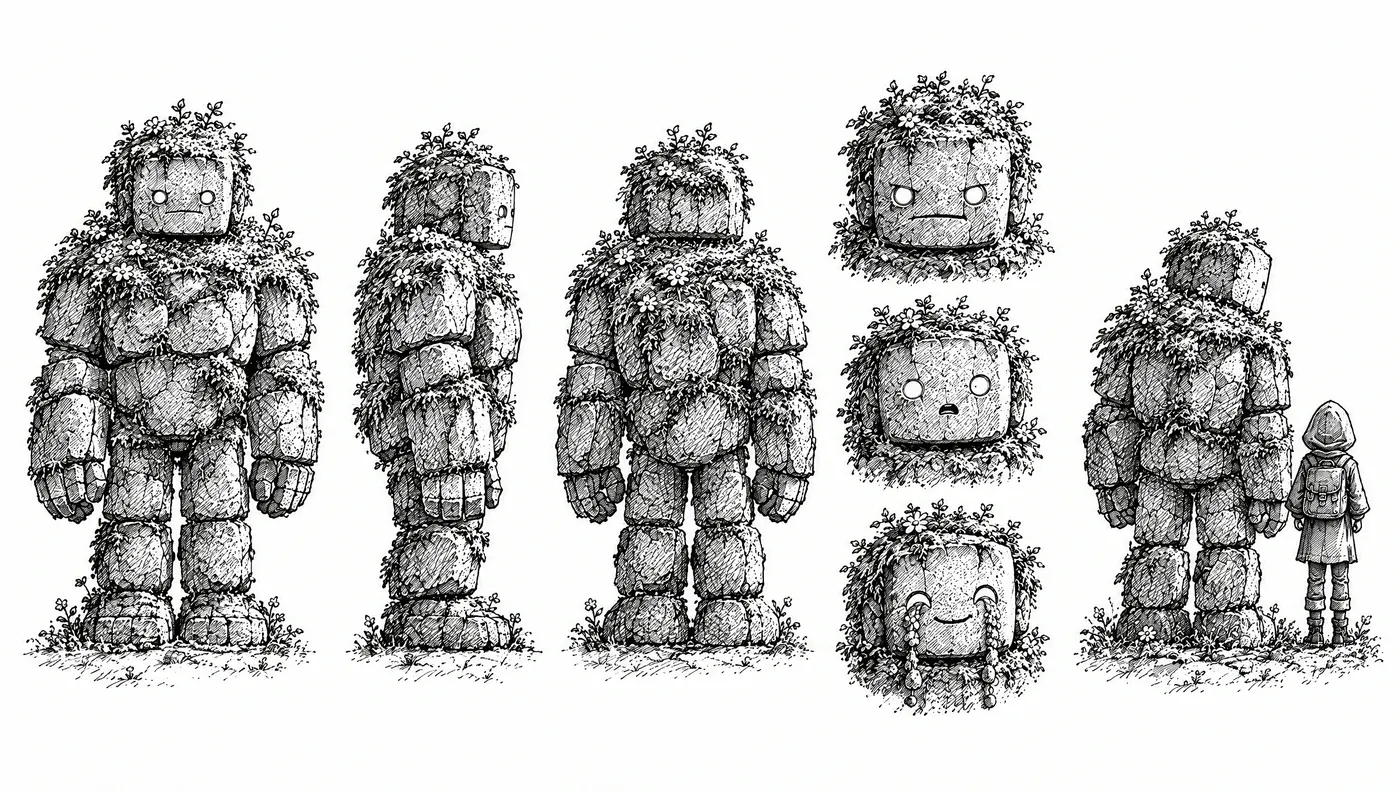
Each character starts as a reference sheet: front, side, back and a few faces. Every later picture is made from those sheets, so Tooltip looks like Tooltip on page 1 and on page 140.
A person picks every sheet, sends back the ones that are off and asks again.
Forty-one ink illustrations
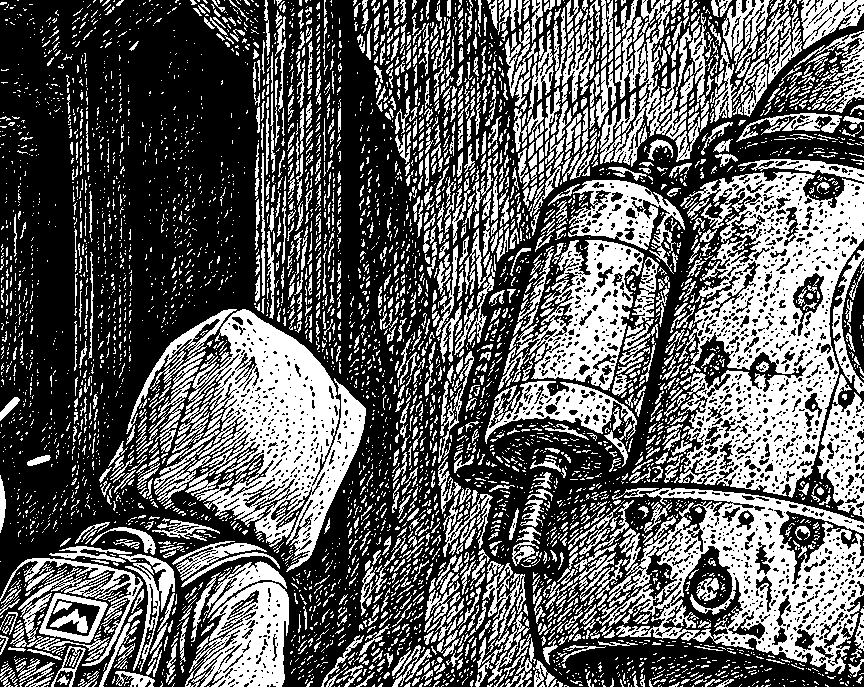
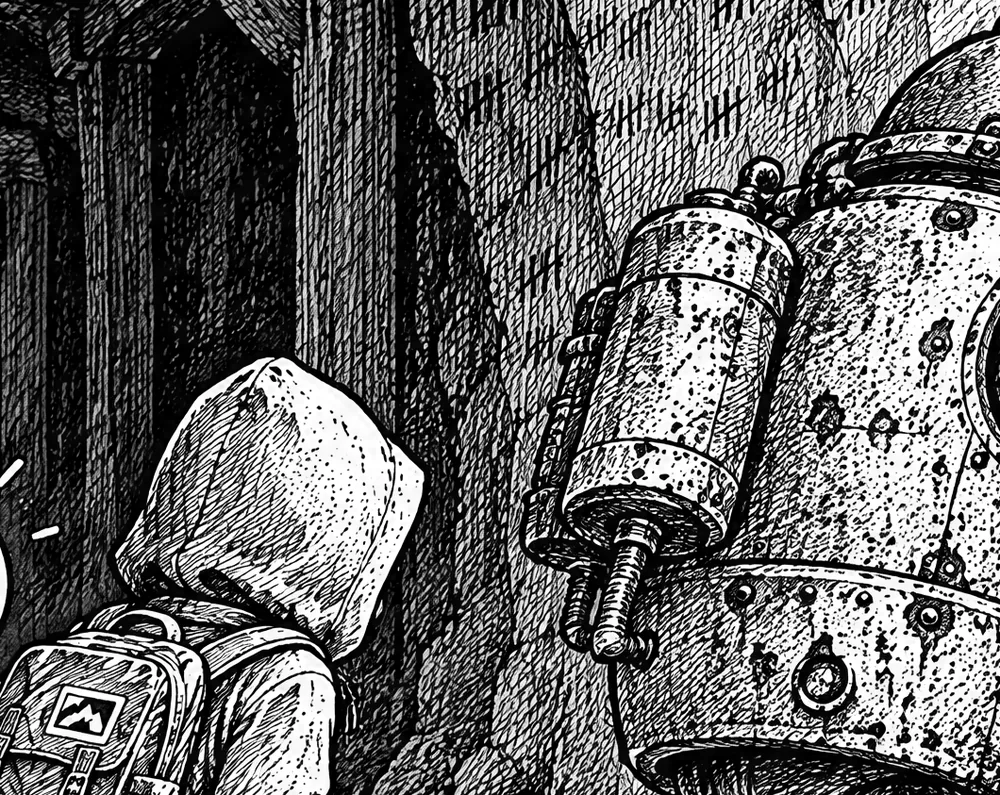
Book 1 has 41 full-page illustrations, made with GPT Image through Higgsfield from the character sheets and a written style guide. They arrive as big grey pictures.
Our software turns each one into pure black and white at print resolution, so the lines stay sharp on the paper Amazon prints on. Drag to compare.
A drawing for every choice
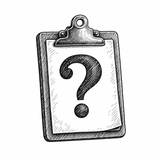
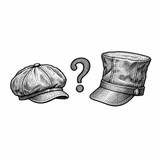
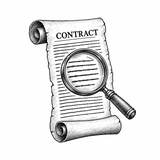
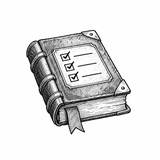
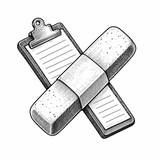
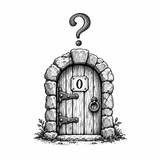
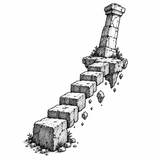
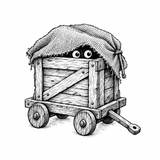
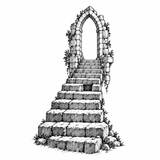
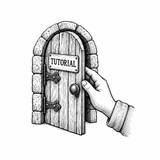
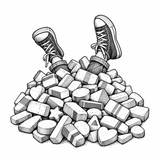
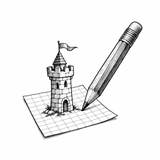
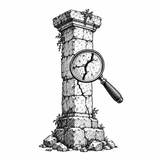
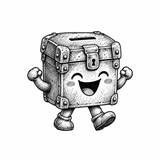
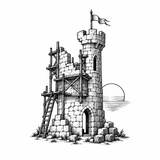
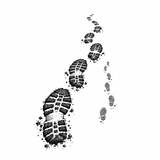
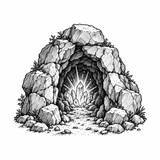
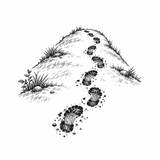
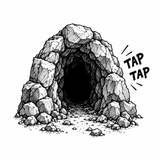
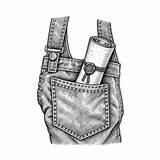
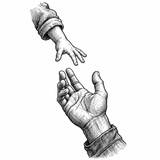
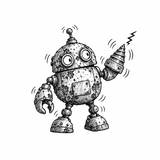
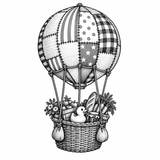
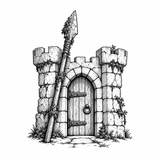
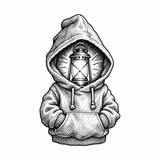
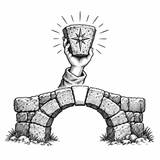
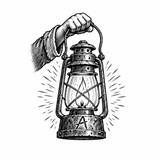
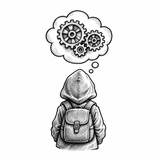
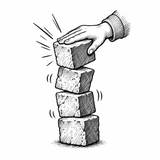
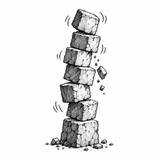
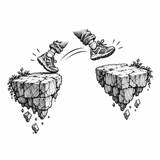
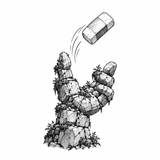
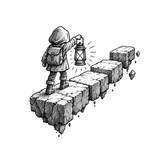
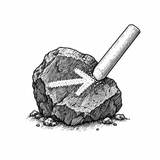
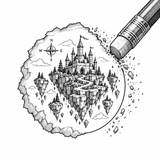
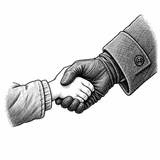
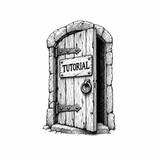
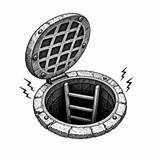
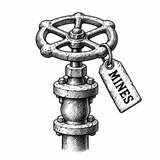
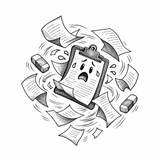
Every choice in the book has its own little drawing, so you can see where a door leads before you open it. Book 1 has 74 of them. They're drawn small and simple on purpose, so they still read at the size of a thumbnail.
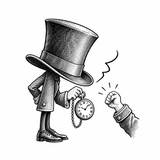
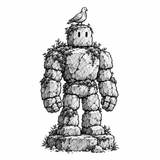
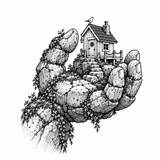
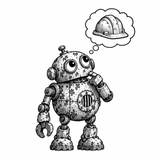
Setting the pages
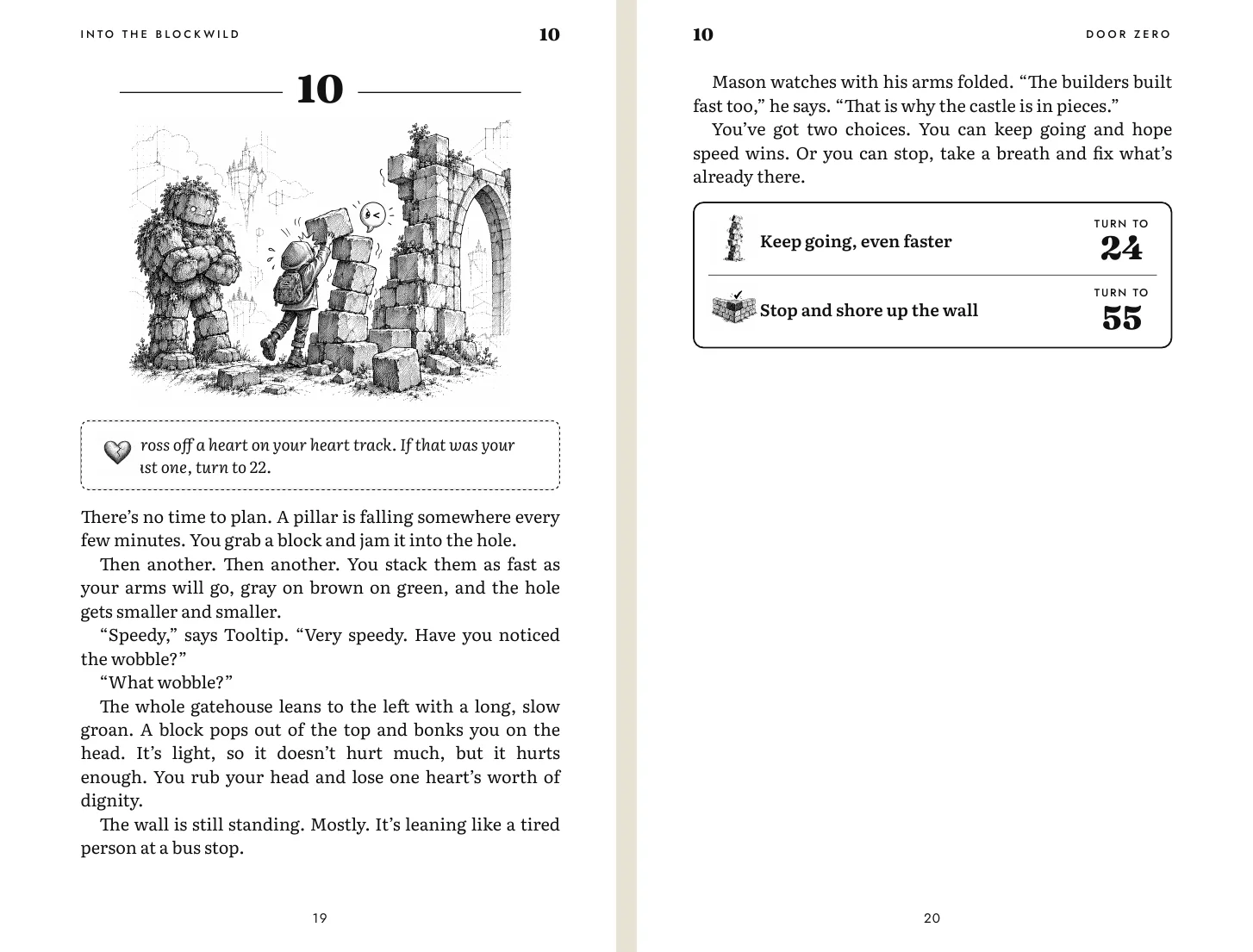
Our own layout code sets the book. Every section starts on a new page, so you're never hunting for a number in the middle of another scene. Choices sit in a box at the end with their drawings, and big section numbers sit at the top of every page.
Here's section 10 again, the one from step 3, as it's printed.
One look, a colour for each world
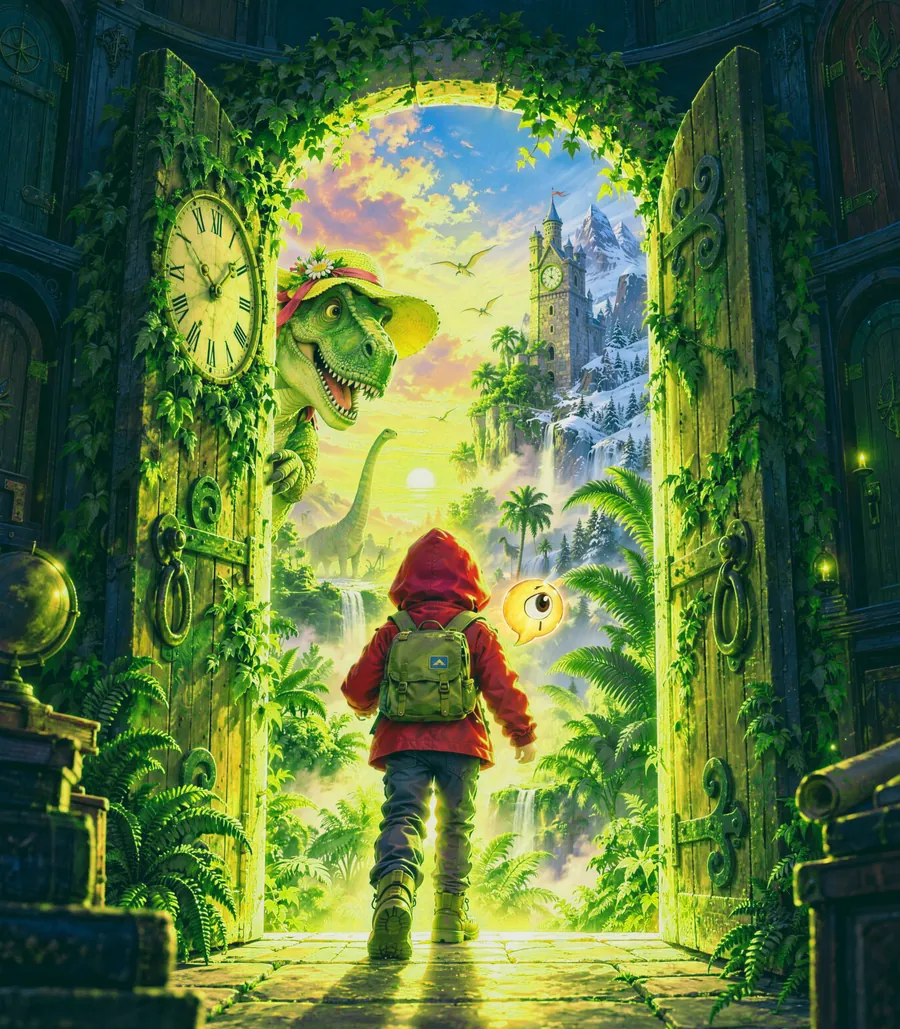
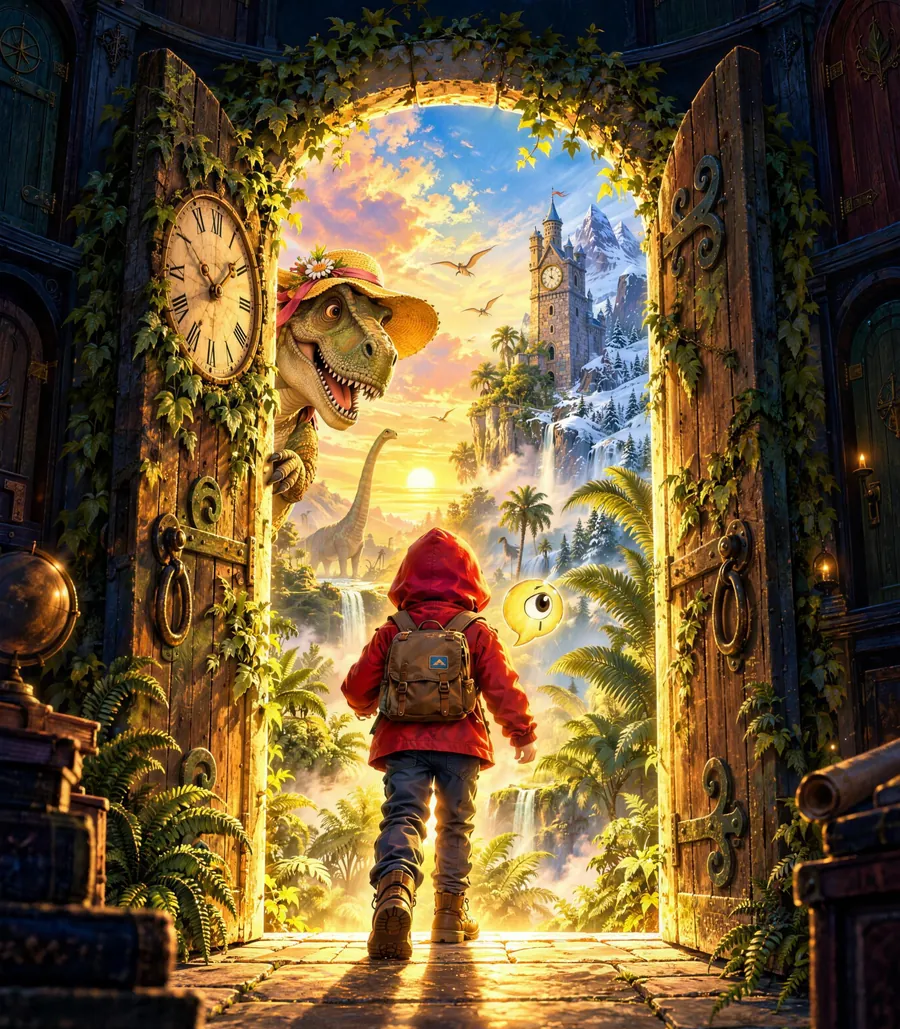
Covers are made the same way as the illustrations, and the lettering is set in code. Every book keeps the same layout, so the series looks like a set on a shelf. Each one gets its own colour, so you can still tell them apart.
Book 2's cover started out gold, like Book 1. We decided the two looked too alike and turned it green. Drag to see both.
Reading it and playing it
Before a book goes out, people read it and play it, looking for any path that doesn't feel fair, any joke that doesn't land and any page that's too long. Then it's fixed and checked again.
You can play the opening yourself, right here.
“I test every ending personally. Some of them twice. The silly ones, three times.”
Tooltip
What we don't do
We don't ask for any living artist's style. We don't put real people, real games or real brands in the books. We don't publish a page nobody has read.
On Amazon
Amazon asks publishers to say when a book uses AI-generated text or pictures. We do.
What's next
We'd love to work with human illustrators. As the series finds its readers, we plan to commission illustrated editions of the books that do best. Questions are welcome at info@manydoorsbooks.com.